Lesson 4 of 12
Powers of Arrest: Section 494
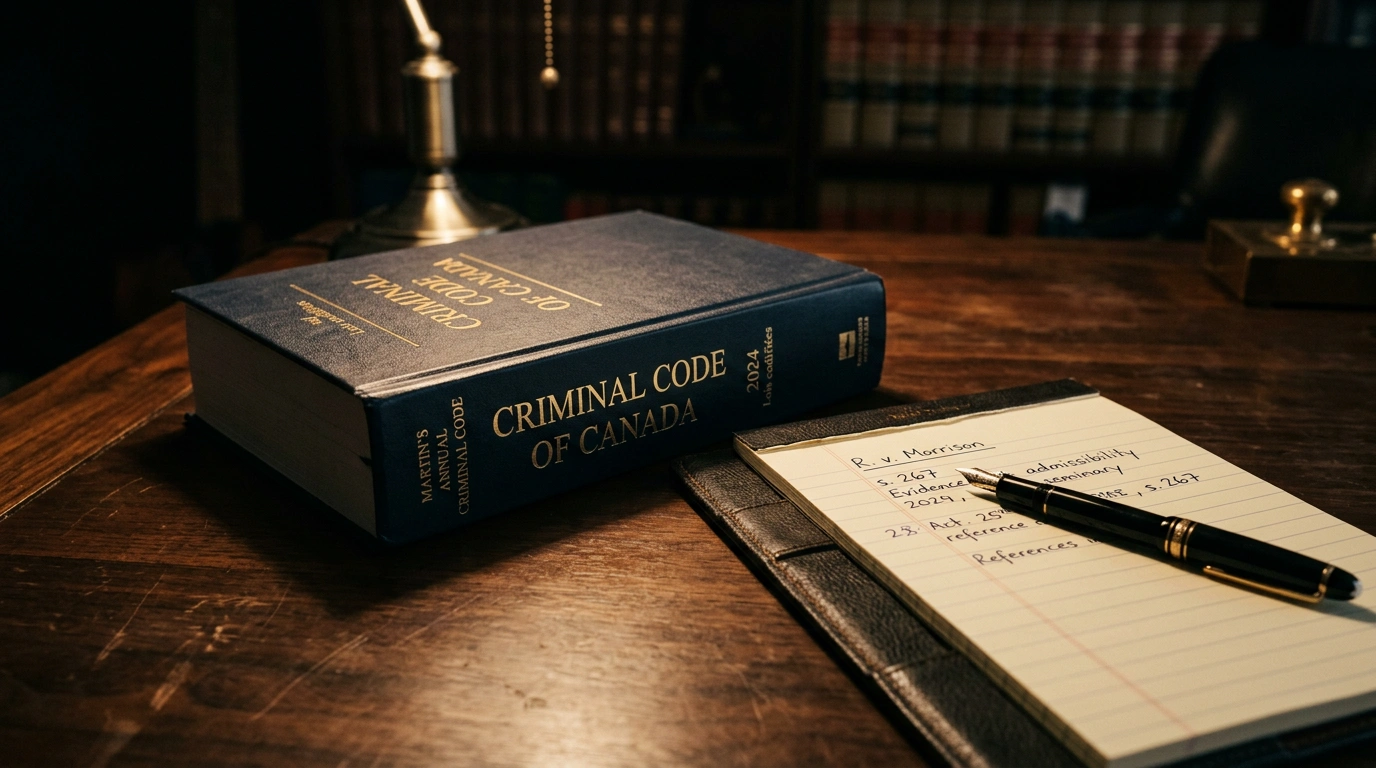
Section 494 of the Criminal Code of Canada
The legal authority behind every LP arrest — and the conditions that must be met.
Condition 1: Found Committing
You must personally observe the individual in the act of committing a criminal offence — specifically an indictable offence (such as theft) on or in relation to property.
You cannot arrest based on a tip, a video review you watched after the fact, or a report from a colleague. The law requires that you witness the offence firsthand.
Condition 2: Reasonable and Probable Grounds
For offences involving property, you may also arrest if you have reasonable and probable grounds to believe a criminal offence has been committed and the person is being freshly pursued.
This is a high legal bar. Ontario courts interpret it strictly. Suspicion is never enough.
Condition 3: You Must Act Contemporaneously
Section 494 authority is not a standing power. The arrest must occur in direct connection with the offence being committed or just discovered.
You cannot arrest someone the following day based on prior surveillance footage. The authority is tied to the moment of the offence.